Showing posts with label safety tips. Show all posts

Monday, July 7, 2014

Home Emergency Tips

Here at SERVPRO we clean and restore fire and water damage, but our desire is that you never need to call us.

Harmful Waste (Sewage, Bloodborne Pathogens, Etc.)

Here are some home emergency tips:

Do:
-Stay out of affected areas
-Call emergency service personnel if the situation is life threatening.
-Treat all bodily fluids as if they are contaminated
-Turn off the HVAC system if there is sewage damage.

Don’t:
-Attempt cleanup of any kind
-Touch or handle items that might be contaminated with bodily fluids.
-Eat, drink, smoke, apply cosmetics or handle contact lenses in affected areas.


*If exposed to harmful waste, OSHA recommends a post- exposure medical evaluation. Consult your local health department or physician.

Friday, June 27, 2014

How Prepared Are You?

How prepared are you for a disaster to strike?

A well equipped disaster supply kit should include, but is not limited the following items:

-Water: 1 gallon per person daily
-Food: 3 to 7 day’s worth of non-perishable or canned food and manual can-opener.
-Bedding: Blankets and pillows
-Clothing: Although the outside temperature may be warm, you may be working and cleaning. To help protect your skin, include pants and long-sleeve shirts
-First aid kit: In the very least, include sanitizers and bandages.

-Cash: Keep some cash and small bills in your supply kit in case 

Home Maintenance Checklist

There are tons of ways that you can keep your clean and safe and your SERVPRO team is here to give you tips on how to do so!
Weekly, you can:
  1. Vacuum your carpet. (Rule of thumb: vacuum once per week per human inhabitant, twice per pet).
  2. Feel plugs/ outlets for warmth. Call electrician if anything appears unusual.

Monthly, you can:
  1. Change air filters (if there are no pets, smoking inside the home, or inhabitants with allergies, you may change them quarterly at a MINIMUM).
  2. Test smoke and carbon monoxide alarms by pushing ‘test’ button.
  3. Check faucet and hose connections under sinks and toilets and behind laundry equipment and refrigerator.
  4. Look for leaks at shut-off valves.
  5. Check walls and ceilings for brown spots. Check painted surfaces for peeling, chipping or blistering. This can be indicative of water damage.
  6. Clean dust from molding and baseboards to preserve value.

Quarterly, you can:
  1. Check inside basement walls for dampness or water stains.
  2. Check to make sure crawl space vapor barrier is in good condition and placed correctly.
  3. Examine outside vents and gutters. Make sure properly sealed and clear of obstruction. Recheck vents during and after a snowstorm.
  4. Check condition of caulking around sinks, bathtubs, and showers. For extra protection, replace with long-lasting material such as silicone or latex.
  5. Clean dirt and dust from around furnaces, air grills and ducts.
  6. Have dryer vent cleaned by professional or remove lent with leaf blower to prevent clogging or fire damage. Check vent if clothes aren’t drying properly.

Bi-Annually, you can:
  1. Have carpet cleaned by professional cleaner to preserve fabric or warranty.
  2. Practice fire escape plan with family. Identify off-site meeting location/shelter.
  3. Pull back floor insulation in basement or crawl space to check for leaks, wood damage around supply pipes.

Annually, you can:
  1. Change batteries in smoke and carbon monoxide detectors. Clean detectors/vacuum each grill.
  2. Have property inspected and treated for termites by professional technician.
  3. Check roof for damaged shingles and flashing.
  4. Replace washer/dryer and refrigerator hoses (steel braided hoses are recommended).
  5. Have AC unit serviced by professional technician. Condensation drain lines need to be checked for clogging to prevent water damage.
  6. Have fireplace inspected and cleaned by professional chimney sweeper.
  7. Drain garden hoses and store for winter.

Long Term Reminders:
  1. Every 5 years, have ducts cleaned by professional technician.
  2. Every 25 years, replace roof shingles.

More general safety tips include:
  •  Store emergency contact information (police, fire dept., hospital, etc.) in physical and digital locations. Free apps are available as a resource (see servpro.com/ready).
  • Keep rescue ladder(s) for multi-story homes.
  • Keep fire extinguisher in kitchen and on every floor. Have all house dwellers practice use.
  • Plug a rechargeable flashlight into socket close to bed. May also be used to signal first responders.
  • Trim back branches from roof and chimney to prevent fire or structural damage.
  • Regularly clean fireplace ash pit.
  • Never burn green wood. Burn only dry, well-seasoned hard wood that has been split properly.
  • Use dryer sheets when drying clothes to reduce spontaneous combustion. Let clothes cool off before transferring.
  • If a rotten-egg type smell is detected, check pipes for possible gas leak.
  • Set water heaters no higher than 120 degrees. Keep combustible and flammable material away from heater.
  • Consider a sprinkler system in home to prevent fire damage.
  • Never plug more than one high wattage appliance in single outlet.
  • Keep carpet stretched and healthy to prevent tripping on wrinkles. If wrinkled, check for delamination by pulling carpet back from corner of room. Delaminated carpet is not repairable and must be replaced.


In case of water damage, you should know what to do and what not to do until help arrives. SERVPRO’s got your back. Here are our tips:

DO:
  • Shut off the source of water if possible or contact a qualified party to stop the water source.
  • When access to the power distribution panel is safe from electrical shock, turn off circuit breakers in wet areas of the building.
  • Remove as much excess water as possible by mopping and blotting.
  • Wipe excess water from wood furniture after removing lamps and tabletop items.
  • Remove and prop up wet upholstery cushion for even drying.
  • Place aluminum foil or wood blocks between furniture legs and wet carpeting.
  • Any painting, art object, computers, document and other material that are valuable or sensitive to moisture should be relocated to a safe, dry place.
  • Use wooden clothespins to keep furniture skirting off damp floors.
  • Hang draperies with coated hangers to avoid contact with wet carpeting or floors.
  • Hang furs and leather good to dry separately at room temperature.


DON’T:
  • Enter rooms with standing water where electrical shock hazards may exist.
  • Enter affected areas if electrical outlets, switches, circuit breakers or electrical equipment are exposed to water. Always avoid electrical shock hazards.
  • Leave books, newspapers, magazines or other colored items on wet carpet or floors to cause staining.
  • Leave oriental rugs or other colored rugs on wet wall-to-wall carpets to cause staining.
  • Use your household vacuum cleaner to remove water, possibly causing electrical shock or damage to the vacuum cleaner.
  • Use TVs or other appliances while standing on wet carpets or floors, especially not on wet concrete floors.
  • Turn on ceiling fixtures if ceiling is wet.
  • Enter rooms where ceiling is sagging from retained water.


Wednesday, June 25, 2014

Let's Talk Lightning

Photo Credit: http://cosmicconvergence.org/?p=1109
Some people think lightning never strikes the same place twice. However, lightning often strikes the same place twice. Reportedly, the Empire State building is struck nearly 25 times a year. It is also believed that lightning only poses a threat when it’s cloudy or raining. The truth is lighting often strike more than three miles outside of a storm and has been known to travel as far as 10-15 miles before striking the ground. Many people are confused by the term “heat lightning” and think it occurs as the result of a very hot summer day. The term “heat lightning” is used to describe lightning from a thunderstorm too far away to be heard. 

For more information, visit http://www.servprolexingtonsc.com/

Monday, June 17, 2013

The Facts on Wildfires and What You Can Do


From coast to coast, wildfires across the country have been making national news. Thousands of acres, homes and businesses have suffered and even faced destruction in lights of these flames.
Southern California isn’t the only area of the country that faces this threat. In 2008, 29 states had more than 10,000 acres scorched by wildfires, as a total of 5.2 million acres burned across the country. In fact, South Carolina ranked number 8 in the nation for number of wildfires in 2008. Though thousands of wildfires are started every year by natural causes—lightning strikes for example—many more are man-made disasters. Returning to the 2008 statistics, 8.856 fires were attributed to lightning strikes, while humans caused 70,093 fires.* Man-made wildfires can be more dangerous than natural fires, because they tend to occur in more populated areas.
Through we may never be able to eliminate wildfires, there are steps we can take to help lessen the danger of damage to our homes and businesses. As a National Preparedness Coalition member, your local SERVPRO Franchise Professional encourages you to follow these safety tips, courtesy of FEMA.
  • Always build fires away from nearby trees or shrubs.
  • Create a 30-foot safety zone around the house or business, clearing all flammable and combustible objects.
  • Remove debris from under decks and inside gutters.
  • Prune branches and shrubs within 15 feet of chimneys and stove pipes.
  • Replace highly flammable vegetation such as pine, eucalyptus, junipers and fir trees with lower growing, less flammable species. Check with your local garden store or fire department for suggestions.
  • Use fire-resistant siding.
*Statistics provided by the National Interagency Fire Center.

Friday, June 7, 2013

Tornado Tips


With the crazy weather that has hit Oklahoma last week and with a small (EF1) tornado that touched down in Orangeburg county, we felt that it was time to do a refresher course on Tornado tips. 


15. Beware of fire hazards.
Never strike a match until you're sure you haven't had a gas leak. Anything that holds gas can rupture and be vulnerable to explosions if you see (or smell) leakage after a storm. If you think there might be a gas leak, open all doors and get out of the house. Also watch out for severed electrical wires, which can spark debris piles. Check appliances to see if they are emitting smoke or sparks.


14. What to do when the storm has passed.
Treat injuries with your first-aid kit, but don't attempt to move anyone who is severely injured. Use the phone only for emergencies, such as calling for an ambulance. Then, listen to the radio for emergency information. If the building you are in is damaged, beware of broken glass and downed power lines as you evacuate. Check on neighbors who might need assistance, but otherwise stay out of the way so that emergency crews can do their work.

13. What if you're outdoors?
Finding a building is your best bet, but if there's no time, follow the same instructions in the next step.


12. What if you're in a vehicle?
Never try to outrun a tornado. Get out of your vehicle and try to get inside a building. If there isn't time, lie down flat in a ditch or any low-lying area away from the vehicle. (Hiding below an underpass isn't safe because you're still exposed to flying debris.) Use your hands and arms to protect your head.

11. What if you're in a public building?
The first choice is always a basement or lower level. If that isn't an option, avoid wide-open spaces such as cafeterias or auditoriums -- there's just not enough physical support for you there. Look for an inside hallway, or a small closet or bathroom (with no windows).

10. Mobile home residents need to take extra precautions.
If you live in a mobile home, never try to ride out a severe thunderstorm at home; go to a prearranged shelter. As a last resort, go outside and lie flat on the ground using your hands and arms to protect your head. It might be hard to believe that you're safer outside, but since your mobile home isn't built into the ground, it can be picked up and turned into an airborne missile.

9. Get in position
Once you're in your shelter, find a sturdy piece of furniture, such as a workbench or table, and stay under it. Curl into a ball on the floor, and lock your hands behind your head to protect it from flying debris. If you can't find a table to get under, crouch under a door frame because the beams will offer some protection.

8. Don't bother opening windows.
It's true that air pressure equalizes when there's an opening in the building, but the American Red Cross says that it's far more important to get to safety than to open windows. If there's flying debris, the windows will most likely break on their own.

7. Stay away from windows.
At 320 miles per hour, shards of glass can be deadly. You can eliminate this risk if you make sure your shelter area is free of windows. If this isn't possible, protect yourself with a heavy blanket.

6. Know the difference between a "watch" and a "warning."
There's a big difference in the danger level between the two terms used during stormy weather. A watch simply means that conditions are favorable for a tornado to develop. Be alert, but you don't need to take shelter. If there's a warning, a tornado has been spotted. When a warning is posted for your area, take shelter immediately.

5. Know how your community sends its warnings.
If it's a siren, stay inside and take cover. Know where the designated shelters are in the buildings where you and your family spend time.

4. Make an inventory of your possessions.
For insurance purposes, videotape or photograph everything you would need to replace in case you lose it all. When you're sure that you've included everything, keep the inventory somewhere away from the premises, such as a safe-deposit box.


3. Prepare an emergency supply kit.
Experts recommend that each person (and pet) has supplies for at least three days, including bottled water (two quarts per person, per day), nonperishable food, and a first-aid kit that includes prescription items as well as aspirin and antacids. Make sure you have tools such as a can opener, utility knife, wrench (for turning power valves), whistle, battery-powered radio, several flashlights, and batteries. Each person will need blankets, clothing, rain gear, and heavy-soled shoes or boots. Lastly, stash away some cash and a copy of credit cards, passports, social security cards, phone numbers, and insurance information. Once a year, check your supplies and determine if family needs have changed.

2. Conduct tornado safety drills with your family.
Make learning quick and fun, and children will remember the basics of what to do, especially if you go through the motions several times. Just as most kids know what to do if their clothes are on fire, the same drill could be applied for tornado safety -- instead of "Stop, drop, and roll" try "Run, duck, and cover!”

1.Determine the best locations for shelter at home and work.

The safest location is always a basement, below the deadly wind and projectile objects. If you can't go underground, find a small interior room or hallway on the lowest level of the building.


-Denea Duran 


Tuesday, January 29, 2013

Carbon Monoxide Poisoning


Unintentional Carbon monoxide poisoning claims more than 500 lives and sends over 15,000 people to the emergency room each year in America, according to a study by the Center for Disease Control. Carbon monoxide, or CO is an odorless and colorless gas that is toxic to human and animals. Carbon monoxide can come from several sources including charcoal grills, motor vehicles, wood burning fireplaces and generators.


Safety Tips:
-Install at least one CO alarm with an audible warnings alarm near the sleeping areas of your home. Ensure the alarm has been evaluated by a recognized laboratory, such as Underwriters Laboratories (UL).
-Have a qualified professional check all fuel-burning appliances and furnaces at least once per year.
-Never use a charcoal grill, hibachi or power generator in an enclosed space, like a garage. Even if the door is open, the CO may not be properly ventilated.
-Never keep a cat running in the garage.
-Never use a range or oven to help heat your home. 


-Denea Duran
Photo Credit: Google Image


Tuesday, November 13, 2012

Thanksgiving Safety Tips


Well it's that time of the year again!With Thanksgiving around the corner here are some safety tips to keep your holidays disaster free! 


THANKSGIVING SAFETY 


The kitchen is the heart of the home, especially at Thanksgiving. Kids love to be involved in holiday preparations. Safety in the kitchen is important, especially on Thanksgiving Day when there is a lot of activity and people at home.

Safety tips
  • Stay in the kitchen when you are cooking on the stovetop so you can keep an eye on the food.
  • Stay in the home when cooking your turkey and check on it frequently.
  • Keep children away from the stove. The stove will be hot and kids should stay 3 feet away.
  • Make sure kids stay away from hot food and liquids. The steam or splash from vegetables, gravy or coffee could cause serious burns.
  • Keep the floor clear so you don’t trip over kids, toys, pocketbooks or bags.
  • Keep knives out of the reach of children.
  • Be sure electric cords from an electric knife, coffee maker, plate warmer or mixer are not dangling off the counter within easy reach of a child.
  • Keep matches and utility lighters out of the reach of children — up high in a locked cabinet.
  • Never leave children alone in room with a lit a candle.
  • Make sure your smoke alarms are working. Test them by pushing the test button.


Content Credit: http://www.nfpa.org/itemDetail.asp?categoryID=2117&itemID=49664&URL=Safety%20Information/For%20consumers/Holidays/Thanksgiving%20safety


-Denea Duran 


Tuesday, October 30, 2012

Trick-or-Treating Tips

It's that time of the year again! Time to take then kiddos out in their fancy costumes! Here are some tips to stay safe!


Trick-or-Treating Tips

  • Plan your route ahead of time.
  • Trick or treat in familiar neighborhoods.
  • Carry a flashlight with fresh batteries after dark.
  • Take along money for a phone call.
  • Wear identification that's easy to read.
  • Always trick or treat in groups, accompanied by an adult.
  • Follow a curfew and take a watch with a backlight.
  • Stay on the sidewalks and out of the streets. Cross only at intersections and designated crosswalks.
  • Walk. No running.
  • Don't trample through flower beds and gardens.
  • Watch out for open flames in jack-o-Lanterns.
  • Walk with your head up and be aware of your surroundings.
  • Only visit well lit houses. Don't stop at dark houses.
  • Don't enter any houses unless you know the people.
  • Carry a spare Halloween bag, in case yours breaks or you fill your original one.
  • Don't approach unfamiliar pets and animals.
  • Don't cut across yards and stay out of backyards.
  • Follow traffic signals and don't jaywalk.
  • Always watch for cars backing up or turning.
  • Review the "stop, drop and roll" procedure in case your costume catches on fire.
  • Never accept rides from strangers.
  • Respect other people and their property.
  • Be polite and say "thank you."
  • Don't eat any candy until it's inspected for tampering under bright lights.
  • Avoid candy that has loose wrappings, is unwrapped, has puncture holes, or is homemade.
  • Small children should not be allowed hard candy they may choke on.
  • Report any suspicious or criminal activity to an adult or the police.
  • Consider having a party instead of Trick or Treating.

-Denea Duran 

Content Credit: http://www.halloween-website.com/safety.htm                                                                                                                 


Wednesday, October 24, 2012

Winter Check List!

Winter Check List


  • Give Space Heaters Space: As the weather gets cooler, space heaters come out of their summer hiding places, and as it turns out, they need space too. Remember to leave at least three feet of space around your heater. Unplug it when it's not being used. 

  • Test your CO Detector: During cold weather, your furnace will be running and your windows will be closed. Test the carbon monoxide detector near your home's bedrooms. 

  • Never Heat With an Oven: On chilly autumn mornings, avoid the temptation to warm the kitchen with a gas range or an open oven door. The un-vented products of combustion can quickly build to toxic levels. Take this as an opportunity to indulge in warm socks and robe. 

  • Replace Expired Fire Extinguishers: Make sure that the fire extinguisher in your home is still good. If it has expired or discharged, be sure to replace it promptly. You dont want to be without this in case of an emergency. 

  • Test Your Local Smoke Detectors: If it needs a new battery, then replace it. If the detector still does not function, replace the detector. This one shouldn't wait til later. 

  • Wear Gloves While Doing Yard Work: It is the season for cleaning (isn't every season?) To help avoid blisters and other hand injuries, be sure to wear gloves while doing yard work. 

  • Use Your Legs to Lift Heavy Items: Whether you are putting things away for storage or carrying garbage


Tuesday, July 10, 2012

Tips for a Heat Wave

With the temperature in the triple digits, it almost seems impossible to stay cool! Here are some great tips with dealing with this heat wave!

What should I do during a heat wave?

  • Listen to a NOAA Weather Radio for critical updates from the National Weather Service (NWS).
  • Never leave children or pets alone in enclosed vehicles.
  • Stay hydrated by drinking plenty of fluids even if you do not feel thirsty. Avoid drinks with caffeine or alcohol.
  • Eat small meals and eat more often.
  • Avoid extreme temperature changes.
  • Wear loose-fitting, lightweight, light-colored clothing. Avoid dark colors because they absorb the sun’s rays.
  • Slow down, stay indoors and avoid strenuous exercise during the hottest part of the day.
  • Postpone outdoor games and activities.
  • Use a buddy system when working in excessive heat.
  • Take frequent breaks if you must work outdoors.
  • Check on family, friends and neighbors who do not have air conditioning, who spend much of their time alone or who are more likely to be affected by the heat.
  • Check on your animals frequently to ensure that they are not suffering from the heat.

-Denea Duran
Picture Credit: Google Image

Thursday, June 14, 2012

Friends Dont Let Friends, Text and Drive!

Since June is National Safety Month today's blog is on a very controversial issue--- Texting and Driving.
Before you text and drive today, you may want to read this. In many states texting and driving are illegal and if caught it could cost you over $50.(and thats getting off cheap!) Remember when you are behind the wheel of a vehicle you are not only responsible for your life but also others on the road!

Reckless driving can be punished with a fine of up to $500 and up to 90 days in jail.

Texting provides users with on demand information from their friends and family members. It's no wonder it's gained such widespread popularity, especially among teenagers. But teens aren't the only ones texting. Adults are guilty of checking their email, tweeting, and setting appointments on their blackberry or iPhone's calendar. These actions have resulted in dangerous and reckless driving behaviour. So much so, that many cities have banned texting while driving and the United Kingdom has taken especially aggressive measures towards texters.

Here are some statistics as to why texting is so dangerous:

* When a driver texts while driving, his reaction time will decrease by 35%
* When texting, steering capability goes down by a tremendous amount; 91%.
* A driver is twenty three times more likely to get into a car accident while driving and texting.
* Drivers are also six times as likely to get into a car accident while dialing a number into their cellular devices.

This recklessness has caused numerous car accidents and death related incidents in the driving age group of 16-20, the largest texting demographic. Not to mention that teens that age are already more prone to crash even without texting, when on the road, these teens are dangerous to everyone else on the road; pedestrian and driver alike. This negligence may cause you or your loved ones to be injured on the road.

-Denea Duran

Photo Credit: kdtoptometry.com
Content Credit: http://textinganddrivingstatistics.com/


Tuesday, May 29, 2012

Hurricane Preparedne​ss Week

Are you prepared for a hurricane? What would you do? These are questions that you should have answers to because hurricane season is fastly approaching. This week is Hurricane Preparedne​ss Week and we will give you safety tips on what to do in case of an emergency!

Two keys to weather safety are to prepare for the risks and to act on those preparations when alerted by emergency officials. These are essential pieces to the Weather-Ready Nation.

Refer to the Federal Emergency Management Agency's (FEMA) ready.gov/hurricanes for comprehensive information on hurricane preparedness at home and in your community.


Gather Information-

Know if you live in an evacuation area. Assess your risks and know your home's vulnerability to storm surge, flooding and wind. Understand National Weather Service forecast products and especially the meaning of NWS watches and warnings.

Contact your local National Weather Service office and local government/emergency management office. Find out what type of emergencies could occur and how you should respond.

Contacts


Keep a list of contact information for reference:
Local Emergency Management Office
  • County Law Enforcement
  • County Public Safety Fire/Rescue
  • State, County and City/Town Government
  • Local Hospitals
  • Local Utilities
  • Local American Red Cross
  • Local TV Stations
  • Local Radio Stations
  • Your Property Insurance Agent


Image of an Example Disaster Supply Kit

Plan & Take Action


Everyone needs to be prepared for the unexpected. Your friends and family may not be together when disaster strikes. How will you find each other? Will you know if your children or parents are safe? You may have to evacuate or be confined to your home. What will you do if water, gas, electricity or phone services are shut off?

Supplies Kit


Put together a basic disaster supplies kit and consider storage locations for different situations. Help community members do the same.

Emergency Plans


Develop and document plans for your specific risks.


Evacuation

Image of Interstate Traffic in an Evacuation
  • Review the FEMA Evacuation Guidelines to allow for enough time to pack and inform friends and family if you need to leave your home. FOLLOW instructions issued by local officials. Leave immediately if ordered!
  • Consider your protection options to decide whether to stay or evacuate your home if you are not ordered to evacuate.

When waiting out a storm be careful, the danger may not be over yet...

Be alert for:

  • Tornadoes – they are often spawned by hurricanes.
  • The calm "eye" of the storm – it may seem like the storm is over, but after the eye passes, the winds will change direction and quickly return to hurricane force.

Recover

  • Wait until an area is declared safe before returning home.
  • Remember that recovering from a disaster is usually a gradual process.

Resources

Content Credit: http://www.nhc.noaa.gov/prepare/ready.php

-Denea Duran

Friday, March 2, 2012

Tornado Season: Be Prepared


Though the Midwest and Southern states have been rocked by 13 deaths and several injuries caused by devastating storms, the weather forecast unmercifully projects further destruction will occur.

Around 5 a.m. in Harrisburg, Illinois, hurricane force winds swept over the town, lifting buildings off their foundations and shredding homes into pieces. Of the 33 tornadoes that reportedly made landfall, the storm responsible for the most extensive damage was believed to hold the second highest ranking in destruction potential (Category EF 4).  Authorities continue to search for victims, but severe weather is getting in the way of search and rescue.

The states affected so far-- Nebraska, Kansas, Missouri, Kentucky, Illinois, Tennessee, and Indiana.


Though the most extreme events have been isolated to pockets of the Midwest, over 300 counts of severe weather have been reported. Weather activity in the last 36 hours include golf ball size hail and damaging thunderstorm winds gusting over 80 mph. In order to remain safe, pay close attention to weather advisory stations and take further precautions to be ready for a major event (see our preparedness tips below).

To help the victims of the most recent storms, please visit the Red Cross disaster relief page.


Also, to see what Red Cross is doing to support the survivors of the tornado visit their media page.

Lets see how we can all become 'heroes' for those in need! Contact your local RED CROSS!  **Central SC Chapter, Regional Chapter 2751 Bull Street (P.O. Box 91) Columbia, S.C. 29201 (29202) 803-540-1200**

HOW TO PREPARE


During a Tornado


If you are under a tornado warning, seek a secure shelter immediately!


If you are in:Then:
A structure (e.g. residence, small building, school, nursing home, hospital, factory, shopping center, high-rise building)

  • Go to a pre-designated shelter area such as a safe room, basement, storm cellar, or the lowest building level. If there is no basement, go to the center of an interior room on the lowest level (closet, interior hallway) away from corners, windows, doors, and outside walls. Put as many walls as possible between you and the outside. Get under a sturdy table and use your arms to protect your head and neck.

  • In a high-rise building, go to a small interior room or hallway on the lowest floor possible.

  • Do not open windows.


A vehicle, trailer,  or mobile homeGet out immediately and go to the lowest floor of a sturdy, nearby building or a storm shelter. Mobile homes, even if tied down, offer little protection from tornadoes.
The outside with no shelter

  • Lie flat in a nearby ditch or depression and cover your head with your hands. Be aware of the potential for flooding.

  • Do not get under an overpass or bridge. You are safer in a low, flat location.

  • Never try to outrun a tornado in urban or congested areas in a car or truck. Instead, leave the vehicle immediately for safe shelter.

  • Watch out for flying debris. Flying debris from tornadoes causes most fatalities and injuries.


We will continue to pray for the victims and survivors of this horrible tragedy.

-Denea Duran

Thursday, September 22, 2011

Disaster Supplies Kit Checklist for Pets

Particularly during September, National Preparedness Month, we hit on topics such as how you can be prepared for an emergency, what you need in your home emergency kit, what to do in quarantine situations, etc. What rarely gets covered, though, is how to keep your pets healthy and happy. Take a look at what you'll need to get the whole family through an emergency situation.

[ ] Food and water for at least three days for each pet, food and water bowls and a manual can opener.
[ ] Depending on the pet, litter and litter box or newspapers, paper towels, plastic trash bags, grooming items, and household bleach.
[ ] Medications and medical records stored in a waterproof container, a first aid kit and a pet first aid book.
[ ] Sturdy leashes, harnesses and carriers to transport pets safely and to ensure that your pets cannot escape. A carrier should be large enough for the animal to stand comfortably, turn around, and lie down. Your pet may have to stay in the carrier for hours. Be sure to have a secure cage with no loose objects inside it to accommodate smaller pets. These may require blankets or towels for bedding and warmth and other special items.
[ ] Pet toys and the pet's bed, if you can easily take it, to reduce stress.
[ ] Current photos and descriptions of your pets to help others identify them in case you and your pets become separated, and to prove that they are yours.
[ ] Information on feeding schedules, medical conditions, behavior problems and the name and telephone number of your veterinarian in case you have to board your pets or place them in foster care.

Content Credit: http://emergency.cdc.gov/preparedness/kit/disasters/

Photo Credit: http://browndresswithwhitedots.tumblr.com/post/9702231083

Sandy Hayden

Thursday, September 15, 2011

Autumn Check List

[] Give Space Heaters Space: As the weather gets cooler, space heaters come out of their summer hiding places, and as it turns out, they need space too. Remember to leave at least three feet of space around your heater. Unplug it when it's not being used.

[] Test your CO Detector: During cold weather, your furnace will be running and your windows will be closed. Test the carbon monoxide detector near your home's bedrooms.

[] Never Heat With an Oven: On chilly autumn mornings, avoid the temptation to warm the kitchen with a gas range or an open oven door. The unvented products of combustion can quickly build to toxic levels. Take this as an opportunity to indulge in warm socks and robe.

[] Replace Expired Fire Extinguishers: Make sure that the fire extinguisher in your home is still good. If it has expired or discharged, be sure to replace it promptly. You don’t want to be without this in case of an emergency.

[] Test Your Local Smoke Detectors: If it needs a new battery, then replace it. If the detector still does not function, replace the detector. This one shouldn’t wait til later.

[] Wear Gloves While Doing Yard Work: It is the season for cleaning (isn’t every season?). To help avoid blisters and other hand injuries, be sure to wear gloves while doing yard work.

[] Use Your Legs to Lift Heavy Items: Whether you are putting things away for storage or carrying garbage and yard waste to the curb, be sure to use your legs to avoid back injuries.

Photo Credit: http://ihihomeinspections.com/wp-content/uploads/2009/09/Brunette-Woman-Playing-with-Leaves-uid-1963766cropped.jpg

Content Credit: http://www.tiu.edu/tiu/security/autumnsafety

Tuesday, August 30, 2011

Happy Trails

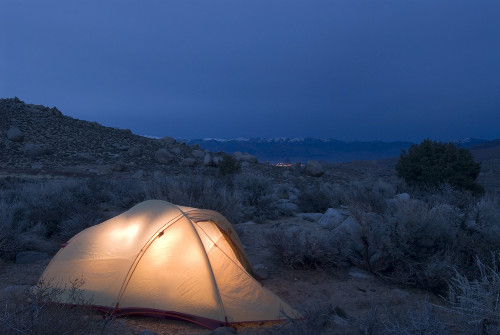
As things are finally cooling off a bit, it's time to take in the great outdoors we've been taking refuge from all summer. Whether that's hiking and camping or just an afternoon picnic, remember these simple ways to ensure happy trails.


  • Check the weather forecast before heading out for a hike. It's not safe to hike when thunderstorms or heavy snowfall is expected.

  • Carry drinking water. Streams, lakes, and springs are not the same as drinking fountains, so don't drink from them without first properly treating the water.

  • Observe wildlife... from a safe distance. It's called wildlife for a reason, so don't get too close to wild animals.

  • Stay on the trail -- leaving it could result in getting lost. I know you guys who are reading this thinking "getting lost is the adventure," but staying lost, my friends, is a hazard.

  • Help prevent food poisoning by keeping cold foods cold and hot foods hot. Perishable items do not belong in a hot car.

  • Clean all surfaces and utensils that come in contact with raw meat or meat juices before using them again.

  • Wash your hands frequently when preparing food and before serving and eating.

  • Keep children away from grills and lighter fluid. Keep grills away from anything that can burn them.

  • Be aware of tiny deer ticks. They could carry Lyme disease, so know what symptoms to watch out for! When in potentially infested area, apply insect repellant, wear light-colored, long sleeved shirts, pants, and socks.

  • Do not build a fire near tree trunks, fallen trees, or over hanging branches. Always keep the flames at a size you can control.

  • When it's time extinguish a campfire, let the flames die down, then break up the coals or logs, spread the pieces, soak them with water, and cover the area with dirt or sand.


Photo credit: http://therepublicofless.files.wordpress.com/2010/08/camping-glow-night2.jpg

Content credit: http://www.ci.dupont.wa.us/files/library/9ed9c444fe7e45c0_o.pdf

Sandy Hayden

Tuesday, August 23, 2011

Caution: Contaminated Water

Any water damage in your facility is bad, especially when the water contains potentially harmful bacteria that can affect the health of occupants and the value of your prperty. Toilet overflows, sewage backups and other black water intrusions are more than nasty, smelly messes; these biohazardous damages also introduce harmful microorganisms into your building, as well as the moisture necessary to ensure their continued growth.


Sewage damage poses serious health risks to anyone exposed to the contaminated water. The danger arises from various harmful substances, including parasites, that can cause intestinal disease. Some common risks are hepatitis A, E-coli and Salmonella. This grossly unsanitary water is often referred to as "black water." Building occupants should practice precautionary and safety measures at all times when dealing with the threat of black water.

A mop and common cleaning products may not be enough for black water intrusions. Your local SERVPRO Franchise Professional is trained to safely clean and restore your buliding utilizing the following procedures:

  • Identify the source/type of water

  • Measure temperature and humidity for drying analysis

  • Survey the extent of damage and inspect the premises

  • Perform emergency water extraction

  • Move and block furniture

  • Provide floor service

  • Inspect carpet and padding

  • Apply necessary treatments including disinfectants and deodorizers

  • Utilize and monitor drying equipment

  • Dispose of refuse


We understand how disruptive and dangerous contaminated water can be and offer 24-horu emergency response. Under normal circumstances, a trained, uniformed restoration technician arrives onsite within four hours of loss notification to begin emergency mitigation services.


By responding quickly with a full line of water cleanup and restoration services, your local SERVPRO Franchise Professional can help you regain control quickly through proper drying, deodorization and protection of your facility and contents. Abiding by OSHA guidelines and all applicable health regulations, we remove moisture, sewage and contaminants by disinfecting and deodorizing as we safely clean and dry your building and restore contents. Please remember to practice extreme caution when dealing with contaminated water.

*Photo credit to: http://peakwater.org/?p=5860

Sandy Hayden