Showing posts with label Water Damage. Show all posts

Monday, February 27, 2012

Flood Tips


If a flood were to strike your home or business, would you be prepared? Below are some helpful tips to help minimize your loss  before the professionals at SERVPRO of Cayce/West Columbia & Lexington come to the rescue!


WHAT TO DO AFTER A CONTAMINATED WATER DAMAGE:


  • Avoid all contact with sewage and items contaminated by sewage.

  • Wash your hands thoroughly after contact with contaminated items.


WHAT NOT TO DO AFTER A CONTAMINATED WATER DAMAGE:


  • Don’t spread contaminated water by walking unnecessarily on damaged or wet areas.

  • Don’t turn on the HVAC system if there is a possibility of spreading contaminated air.

  • Don’t use household fans to dry the structure and spread contaminants.

  • Don’t use products for personal hygiene and cleanliness if exposed to the contaminated areas.


What to do after A CLEAN water damage:


  • Shut off the source of water if possible or contact a qualified party to stop the water source.

  • Turn off circuit breakers for wet areas of the building, when access to the power distribution panel is safe from electrical shock.

  • Remove as much excess water as possible by mopping and blotting.

  • Wipe excess water from wood furniture after removing lamps and tabletop items.

  • Remove and prop up wet upholstery cushions for even drying.

  • Place aluminum foil or wood blocks between furniture legs and wet carpeting.

  • Remove to a safe, dry place any paintings, art objects, computers, documents and other materials that are valuable or sensitive to moisture.

  • Use wooden clothespins to keep furniture skirting off damp floors.

  • Hang draperies with coated hangers to avoid contact with wet carpeting or floors.

  • Hang furs and leather goods to dry separately at room temperature.


What NOT to do after A CLEAN water damage:


  • Don’t enter rooms with standing water where electrical shock hazards may exist.

  • Don’t enter affected areas if electrical outlets, switches, circuit breakers or electrical equipment are exposed to water. Always avoid electrical shock       hazards.

  • Don’t leave books, newspapers, magazines or other colored items on wet carpets or floors to cause staining.

  • Don’t leave Oriental rugs or other colored rugs on wet wall-to-wall carpets to cause staining.

  • Don’t use your household vacuum cleaner to remove water, possibly causing electrical shock or damage to the vacuum cleaner.

  • Don’t use TVs or other appliances while standing on wet carpets or floors, especially not on wet concrete floors.

  • Don’t turn on ceiling fixtures if ceiling is wet or enter rooms where ceilings are sagging from retained water.


Water Damage


It’s the water you don’t see that can cause the most damage. Professional restoration is just a phone call or click away.

SERVPRO of Cayce/West Columbia & Lexington  (803)-755-9774


EMERGENCY TIPS


We also have a mobile app. Available for iphone, Droid and BlackBerry!


App StoreAndroid marketplaceBlackberry App World

The SERVPRO Ready Plan is a tool for property managers and owners, both residential and commercial. It allows for the creation of an Emergency READY Profile containing critical facility information to help speed up response time after fire or water damage.

Learn more about the SERVPRO Ready Plan Mobile App


Photo Credit: www.prlog.org


-Denea Duran


Wednesday, October 19, 2011

Small Maintenance Can Prevent Big Problems
Don't be fooled. Many innocent-looking home appliances can cause damage to your home if left unattended or go too long between regular maintenance checks. One such culprit capable of causing extensive damage... your hot water heater.

Insurance claims for leaking or ruptured water heaters run into the hundreds of millions of dollars every year. When water heaters are located in remote areas of a home, such as a basement, a leak could go undetected for days or weeks. In addition to the many gallons of water that may need to be cleaned up, damage to the flooring, walls and other surroundings can be severe and costly.

We're not surprised here at SERVPRO of West Columbia and Lexington by the number of calls we receive regarding hot water heaters. That type of appliance is usually installed and left alone. A homeowner often won't even notice a problem until the day the hot water goes out.

We are a national fire and water cleanup and restoration company trained in the cleanup and care of events such as a water leak in your home. An episode like this can be a huge burden on one person, but companies like ours have experience with these types of problems. We can get in there, cleanup the water and leave the homeowner with a sense of security they may not have had since before the leak happened.

Water heaters have a lifespan of 10-15 years, so the appearance of rust or wet spots on the floor around the unit may be a sign a replacement s in the near future. Some preventative measures? At least once a year, the tank on the hot water heater should be drained to remove sediment at the bottom of the tank. Water can be drained out by attaching a garden hose to the drain valve or by purchasing a small electric pump to send the water from your tank to an outside drain.

The pressure relief valve and the dip tube should be checked annually. Also, a faulty electric heating element is another part of a hot water heater that can result in inefficient output. This also involves draining the tank to replace the necessary heating parts. A reputable plumber should be able to handle all of these regular checks to help ensure that a home's hot water heater is in continual good working order.

At our office, we have working relationships with a variety of plumbers in the Great Columbia Area. While a homeowner would rather not have to be in a position to deal with issues surrounding a hot water heater leak, SERVPRO of West Columbia and Lexington is a franchise with the experience to get to the root of the problem and complete the job.

Photo Credit: http://hostedmedia.reimanpub.com/TFH/Projects/FH08MAY_WATDAM_01.JPG

Sandy Hayden

Wednesday, October 12, 2011

12 Feet Above Flood Stage: Like It Never Even Happened


Over 13 inches of rain in the Cumberland River region, winds blasting through downtown Nashville, waters 12 feet above flood stage... this is the story of the Tennessee/Kentucky/Mississippi floods.

Sandy Hayden

Tuesday, October 4, 2011

Mold Cleanup 101: Say No to Bleach

It's pretty common knowledge that if you're doing mold cleanup around the house that your weapon of choice should be bleach. As is the way with much common knowledge, this factoid is completely false. While using bleach as an antimicrobial is a nice thought, the truth is that bleach doesn't actually kill mold. Not only is mold caustic (it is capable of burning living tissue -- aka. your skin), but when mixed with the right stuff it can actually be toxic. According to HowToCleanThings.com, "you'd do better simply licking the mold away." This website suggests doing minor cleanups with vinegar, which kills mold and disinfects. An even better (and more expensive) option is also tea tree oil.

Something very important to keep in mind, though, is that when you see a little bit of mold in your home, it's likely that there is a lot you can't see. That's where we come in. The most important aspect of mold removal is to remove the water source, something that we're, well, experts at. Mold in your home can jeopardize your health, so step 1: Don't ignore it. Step 2: Don't use bleach. Step 3: Give SERVPRO a call.

Photo Credit: http://i-cdn.apartmenttherapy.com/uimages/re-nest/no-bleach.jpg

Sandy Hayden

Wednesday, September 21, 2011

3 Common Household Emergencies (And How to Avoid Them)


  1. Burst washing machine hose – As rubber washing machine hoses age, they eventually wear down and burst, causing costly flooding. Consider switching to a stainless-steel reinforced hose.

  2. Leaky roof – Mother Nature is pretty tough on your roof. Regularly check your roof for missing or damaged shingles.

  3. Refrigerator Leaks – Like your washing machine, the refrigerator is a common culprit in home floods. Ensure your water line is unkinked and in good condition.


Photo Credit: New England Roofing

Tuesday, September 6, 2011

Part 2: The Outer Banks

As promised, here is the second half of my time in the Outer Banks, NC as our team did Irene clean up.

I stumbled across SERVPRO of Richland working hard.


The Red Cross teamed up with N.C. Baptist Men to prepare three meals a day for victims of the hurricane. I found them in after lunch as they were preparing for the dinner rush.


Check out all that the American Red Cross supplied for this to be possible!


Signs asking for FEMA's help could be found.


"Open Monday I hope."


It wasn't uncommon to see signs written to hurricane Irene hanging from people's homes.To see all of the photos, please visit our facebook.


Follow us on Twitter! 


Sandy Hayden

Saturday, September 3, 2011

Irene in the Outer Banks

I must begin by apologizing profusely that I have been absent from the blog for a couple of days, particularly yesterday--missing a Fun Friday is a serious offense. I hope my loving readers will find it in their hearts to forgive me as I have been traveling north to join the team in the Outer Banks to work on hurricane relief.

This morning I have been exploring the area our crew is working in today to get a sense of the devastation of Irene. I will post several photos here, but please visit our Facebook to see the entire album.

The damage here seems to be far more water-induced than wind, hitting some neighborhoods harder than others. In the less fortunate areas (those more vulnerable to water damage), a walk down the road will reveal limbs and tree debris neatly piled at least chest-high in front of every other house. In the yards water-logged furniture and household items sunbathe--either in hopes of drying their way back to functionality or awaiting their pickup by a city garbage truck.

Having grown up in South Carolina and doing hurricane relief in the past (namely Katrina), what leaves a strong impression on me is the attitude of the homeowners. The equally neat and enormous stacks of debris have been collected by the locals themselves--there is no concept of helplessness here. Locals' immediate response upon Irene's damage seems to be one part can-do and one part community. It is no unusual sight to find neighbors aiding each other in removing wet furniture from their homes, chainsawing fallen trees, and even gutting water-damaged areas of their houses. That's not all. The most impressive part: I have yet to hear a local complain. As a matter of fact, I've even seen several smiling. It is an honor to be working for people like that.

All of our drying equipment for the water damages we're tackling.


In this neighborhood, every single yard was littered with furniture and household items sunbathing while awaiting either restoration or the garbage truck. 


Representing.


One of the houses the crew was working on this morning.


A fairly normal sight here.


Josh working hard with his Breast Cancer Foundation work gloves.


See what you can do to help by visiting my last post: How You Can Help.

Follow us on Twitter!


Sandy Hayden

Wednesday, August 24, 2011

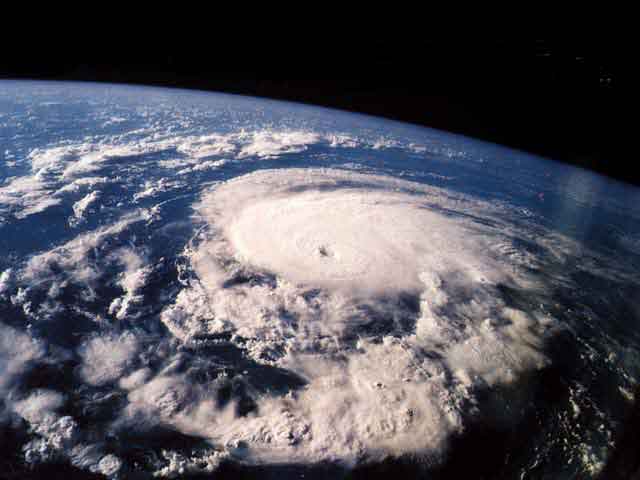
Hurricane Jargon: Know the Terms

Tropical Depression
An organized system of clouds and thunderstorms with a defined surface circulation and maximum sustained winds of 38 MPH (33 knots) or less. Sustained winds are defined as one-minute average wind measured at about 33 ft (10 meters) above the surface.

Tropical Storm
An organized system of strong thunderstorms with a defined surface circulation and maximum sustained winds of 39–73 MPH (34–63 knots).

Hurricane
An intense tropical weather system of strong thunderstorms with a well-defined surface circulation and maximum sustained winds of 74 MPH (64 knots) or higher.

Storm Surge
A dome of water pushed onshore by hurricane and tropical storm winds. Storm surges can reach 25 feet high and be 50–1000 miles wide.

Storm Tide
A combination of storm surge and the normal tide (i.e., a 15-foot storm surge combined with a 2-foot normal high tide over the mean sea level created a 17-foot storm tide).

Hurricane/Tropical Storm Watch
Hurricane/tropical storm conditions are possible in the specified area, usually within 36 hours. Tune in to NOAA Weather Radio, commercial radio, or television for information.

Hurricane/Tropical Storm Warning
Hurricane/tropical storm conditions are expected in the specified area, usually within 24 hours.

Short Term Watches and Warnings
These warnings provide detailed information about specific hurricane threats, such as flash floods and tornadoes.

*Terms courtesy of http://www.fema.gov/

*Photo credits:

https://blogger.googleusercontent.com/img/b/R29vZ2xl/AVvXsEgXqxbyELC7_A5Dh6XobQ0_uGa3TUNDNUzTnS-BnAuh_8ZOkruG5kiWkf9rg-p_FY8AjN12-K8TzQe1va_FeoK4bS8oBWJtNeD6sHtTWgUs9jL_47UX5bGl1PuFKFIPEJyq5I_Lqqt85QI/s1600/hurricane_katrina.jpg

http://weathersavvy.com/hurricane_bonnie_OPT.jpg

http://www.worldaffairsboard.com/attachments/multimedia-jukebox-room/7616d1175836440-hurricane-katrina-revisited-19d25df.jpg

Tuesday, August 23, 2011

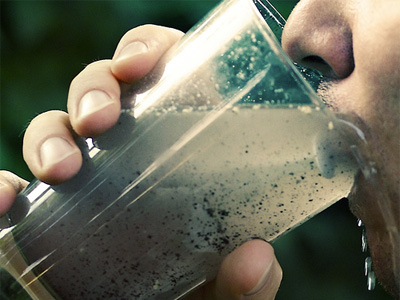
Caution: Contaminated Water

Any water damage in your facility is bad, especially when the water contains potentially harmful bacteria that can affect the health of occupants and the value of your prperty. Toilet overflows, sewage backups and other black water intrusions are more than nasty, smelly messes; these biohazardous damages also introduce harmful microorganisms into your building, as well as the moisture necessary to ensure their continued growth.


Sewage damage poses serious health risks to anyone exposed to the contaminated water. The danger arises from various harmful substances, including parasites, that can cause intestinal disease. Some common risks are hepatitis A, E-coli and Salmonella. This grossly unsanitary water is often referred to as "black water." Building occupants should practice precautionary and safety measures at all times when dealing with the threat of black water.

A mop and common cleaning products may not be enough for black water intrusions. Your local SERVPRO Franchise Professional is trained to safely clean and restore your buliding utilizing the following procedures:

  • Identify the source/type of water

  • Measure temperature and humidity for drying analysis

  • Survey the extent of damage and inspect the premises

  • Perform emergency water extraction

  • Move and block furniture

  • Provide floor service

  • Inspect carpet and padding

  • Apply necessary treatments including disinfectants and deodorizers

  • Utilize and monitor drying equipment

  • Dispose of refuse


We understand how disruptive and dangerous contaminated water can be and offer 24-horu emergency response. Under normal circumstances, a trained, uniformed restoration technician arrives onsite within four hours of loss notification to begin emergency mitigation services.


By responding quickly with a full line of water cleanup and restoration services, your local SERVPRO Franchise Professional can help you regain control quickly through proper drying, deodorization and protection of your facility and contents. Abiding by OSHA guidelines and all applicable health regulations, we remove moisture, sewage and contaminants by disinfecting and deodorizing as we safely clean and dry your building and restore contents. Please remember to practice extreme caution when dealing with contaminated water.

*Photo credit to: http://peakwater.org/?p=5860

Sandy Hayden

Wednesday, August 17, 2011

Myth-busting: Flash Flooding

So you're getting cozy with this fall-like weather and thoughts of hurricanes are the farthest from your mind. Rain? Blistering heat? What's that? I know, I've been there. This is what we call weather denial: "the weather is absolutely perfect and it's never going to change." Many of you are delightfully proclaiming that it's time for a pumpkin spice latte (granted, it's always time for a pumpkin spice latte) and a good scarf. Well, on the bright side, autumn is not too far away. But because this is humid subtropical Columbia, South Carolina, we have some heat and rain to get through (yes, this cool spell will end, I'm afraid) before the leaves truly fall.

Maybe it's that weather denial hitting strong, but this summer has seemed one of epic proportions for rain and storms. As we're in the thralls of hurricane season, there's plenty more where that came from. It's time to get the facts straight. We've touched on lightning myths before, so next up is flash flooding.


Myth: Large cars and sports utility vehicles should be able to navigate in deeper flood waters.

Truth: Just two feet of swiftly moving flash flood water is enough to float most vehicles -- even larger cars and trucks. My condolences to all my truck-driving, mud-sloshing Southern boys.

Myth: Flash floods occur only along rivers and streams.

Truth: Flash floods can occur nearly anywhere -- even in urban areas.

Myth: Homeowners insurance policies cover flood damage.

Truth: The vast majority of these policies do not cover flood damage, so check your coverage!

*Photo credit: Yauheni Attsetski

Sandy Hayden

Tuesday, August 9, 2011

The Science of Drying

I know, the s-word makes me want to close the browser too... "science." Maybe I should have entitled this "The Art of Drying" instead for those who struggled their way through grade school biology and chemistry. Fear not, readers! Label this article under the tiny mental filing cabinet labelled "Fun Science" and insert it in between Bill Nye and Mythbusters.

The knowledge of psychrometrics ("the field of engineering concerned with the determination of physical and thermodynamic properties of gas-vapor mixtures" -- thanks Wikipedia) is essential to restoring a structure to its preloss condition. Where the average Do-It-Yourself homeowner (guilty) or business owner might be tempted to grab a few beach towels to mop up the mess and place a box fan or two around the damaged area, your local SERVPRO Franchise Professionals follow strict, industry-approved standards to help lower the chances of any secondary damages.

Just for starters, a trained restorer will:

  • Inspect the building to detect every component that is wet, preventing damage from happening because wet components were overlooked.

  • Measure how much moisture is in wet materials and monitor whether the materials are drying properly.

  • Speed up Mother Nature by using professional drying equipment.


So what exactly does "speed up Mother Nature" mean? A wet building can often dry naturally because our environment always seeks equilibrium. When materials are wet, moisture will naturally move to drier air at the surface of the material -- but only if the air is, indeed, drier. The only problem is nature takes a long time, and secondary damages occur while the building is drying out.

For this reason, your local SERVPRO Franchise Professionals have been trained to use top-of-the-line equipment to help the drying process, including equipment to help dry hardwood floors, tough-to-reach spaces inside walls (pictured botom-left) and much more. We also use state-of-the-art monitoring equipment (pictured bottom-center) and a proven scientific process to help speed the drying of your home or business.

The bottom line? Your local SERVPRO Franchise Professionals have the training and equipment to help make it "Like it never even happened."

There, that wasn't so bad, was it?


Sandy Hayden

Thursday, June 30, 2011

Home Emergency Tips: Part 4

What to do until help arrives. 

It's time for our last Home Emergency Tips entry. The way you respond after a home emergency can make a huge impact on the scale of the damage. Follow these tips to minimize water damage as much as possible in your home.

Water Damage

Do:

  • Remove as much excess water as possible by mopping and blotting.

  • Wipe excess water from wood furniture after removal of lamps and table top items.

  • Remove and prop wet upholstery and pillow cushions for even drying.

  • Place aluminum foil or wood blocks between furniture legs and wet carpeting.

  • Turn air conditioning on for maximum drying in summer.

  • Remove Oriental rugs or other colored rugs from wet wall-to-wall carpeting.

  • Remove valuable paintings and art objects to a safe, dry place.

  • Open and place luggage in sunlight to dry, if possible.

  • Gather loose items, toys, etc. from floors.


Don’t:

  • Leave wet fabrics in place; dry as soon as possible. Hang furs and leather goods to dry separately at room temperature.

  • Leave books, magazines or other colored items on wet carpets or floors.

  • Use your household vacuum to remove water.

  • Use TVs or other household appliances while standing on wet carpets or floors, especially not on wet concrete floors.

  • Turn on ceiling fixtures if ceiling is wet, and keep out of rooms where ceilings are sagging from retained water.