Since the severe weather has made an appearance across the country, it's only right if I give you Awesome Tipson keeping your home and business safe!
Tips for Preparing Your Home for Winter Weather
Keep cabinet doors open during cold spells. This allows warm air to circulate around pipes
Keep a slow trickle of water flowing through faucets, especially if the pipes for faucets, especially if the pipes for faucets run through unheated or uninsulated areas of your home.
Consider shutting off outdoor faucets. Find the shut-off valve in the basement or crawl space and turn it to "off".
If you follow the previous step, then open the outdoor faucet to help ensure it drains completely and the inner valve is shut off.
Ensure gutters are clean and secure. Leaves and debris accumulate, causing a damming effect on gutters, which could lead to roof problems and water damage.
Proper maintenance of your furnace can help reduce the risk of puffbacks.
Tips for Preparing Your Business for Winter Weather
Check your business property for downed tree limbs and branches. Weather such as wind, heavy rain, ice and snow, can cause branches to fall, which could cause damage to the property and potentially cause personal injuries.
Inspect property, especially walkways and parking lots, for proper drainage to alleviate flood hazard potential.
Inspect all handrails, stairwells and entryways to address and correct potential slippery or hazardous areas. Install mats or non-slip surfaces and post caution signs where water could be present.
Ask SERVPRO of Cayce/West Columbia/ Lexington about starting a FREE Emergency Ready Profile for your business. Call us! 803-755-9774
If a flood were to strike your home or business, would you be prepared? Below are some helpful tips to help minimize your loss before the professionals at SERVPRO of Cayce/West Columbia & Lexington come to the rescue!
WHAT TO DO AFTER A CONTAMINATED WATER DAMAGE:
Avoid all contact with sewage and items contaminated by sewage.
Wash your hands thoroughly after contact with contaminated items.
WHAT NOT TO DO AFTER A CONTAMINATED WATER DAMAGE:
Don’t spread contaminated water by walking unnecessarily on damaged or wet areas.
Don’t turn on the HVAC system if there is a possibility of spreading contaminated air.
Don’t use household fans to dry the structure and spread contaminants.
Don’t use products for personal hygiene and cleanliness if exposed to the contaminated areas.
What to do after A CLEAN water damage:
Shut off the source of water if possible or contact a qualified party to stop the water source.
Turn off circuit breakers for wet areas of the building, when access to the power distribution panel is safe from electrical shock.
Remove as much excess water as possible by mopping and blotting.
Wipe excess water from wood furniture after removing lamps and tabletop items.
Remove and prop up wet upholstery cushions for even drying.
Place aluminum foil or wood blocks between furniture legs and wet carpeting.
Remove to a safe, dry place any paintings, art objects, computers, documents and other materials that are valuable or sensitive to moisture.
Use wooden clothespins to keep furniture skirting off damp floors.
Hang draperies with coated hangers to avoid contact with wet carpeting or floors.
Hang furs and leather goods to dry separately at room temperature.
What NOT to do after A CLEAN water damage:
Don’t enter rooms with standing water where electrical shock hazards may exist.
Don’t enter affected areas if electrical outlets, switches, circuit breakers or electrical equipment are exposed to water. Always avoid electrical shock hazards.
Don’t leave books, newspapers, magazines or other colored items on wet carpets or floors to cause staining.
Don’t leave Oriental rugs or other colored rugs on wet wall-to-wall carpets to cause staining.
Don’t use your household vacuum cleaner to remove water, possibly causing electrical shock or damage to the vacuum cleaner.
Don’t use TVs or other appliances while standing on wet carpets or floors, especially not on wet concrete floors.
Don’t turn on ceiling fixtures if ceiling is wet or enter rooms where ceilings are sagging from retained water.
Water Damage
It’s the water you don’t see that can cause the most damage. Professional restoration is just a phone call or click away.
SERVPRO of Cayce/West Columbia & Lexington (803)-755-9774
EMERGENCY TIPS
We also have a mobile app. Available for iphone, Droid and BlackBerry!
The SERVPRO Ready Plan is a tool for property managers and owners, both residential and commercial. It allows for the creation of an Emergency READY Profile containing critical facility information to help speed up response time after fire or water damage.
Learn more about the SERVPRO Ready Plan Mobile App
If a natural disaster were to strike today would you really be prepared? If the answer is yes, then CONGRATULATIONS! 9 times out of 10 a household is not prepared for a disaster. After my last blog, I wondered if I was prepared for a disaster. Living in California our teachers and parents prepared us on what to do in case of an earthquake.
"DUCK AND COVER."
To be honest "duck and cover" is all that I am prepared for, which isn't saying much. Here is a helpful list to get you and your family prepared!
Please go through this list and make sure that all of these items are in your emergency kit. You never know when an emergency can strike you or your community!
Water—one gallon per person, per day (3 day supply for evacuation, 2 week supply for home)
Food—nonperishable, easytoprepare items (3 day supply for evacuation, 2 week supply for home)
Flashlight
Battery-powered or handcrank radio (NOAA Weather Radio, if possible)
Extra batteries
First aid kit
Medications (7day supply) and medical items
Multipurpose tool
Sanitation and personal hygiene items
Copies of personal documents (medication list and pertinent medical information, proof of address, deed/lease to home, passports, birth certificates, insurance policies)
Cell phone with chargers
Family and emergency contact information
Extra cash
Emergency blanket
Map(s) of the area
Consider the needs of all family members and add supplies to your kit. Suggested items to help meet additional needs are:
Medical supplies (hearing aids with extra batteries, glasses, contact lenses, syringes, cane)
Pet supplies (collar, leash, ID, food, carrier, bowl)
Two-way radios
Extra set of car keys and house keys
Manual can opener
Additional supplies to keep at home or in your kit based on the types of disasters common to your area:
Whistle
N95 or surgical masks
Matches
Rain gear
Towels
Work gloves
Tools/supplies for securing your home
Extra clothing, hat and sturdy shoes
Plastic sheeting
Duct tape
Scissors
Household liquid bleach
Entertainment items
Blankets or sleeping bags
The Danger of not having a Emergency Kit:
Though most households are located in reasonable proximity to an emergency respondent, access to an emergency kit is often critical in securing the health and safety of residents before help arrives. For those located a significant distance from emergency assistance, or homes that contain injury-prone children or older adults, an emergency kit is non-negotiable.
Now ask yourself are you prepared for a natural disaster to strike?
Candles lend a special light to the holiday season: Halloween jack-o-lanterns, Thanksgiving dinner tables, Advent wreaths, Menorahs, luminarias, and Kwaanza Kinaras. If not for a seasonal purpose, then perhaps the romantic lighting or the smell of sugar cookies has convinced you that candles are an undeniable asset to ambiance. Whatever the reason, candle safety is important, particularly during the holiday season when their use is particularly common. Here are some basic guidelines to help keep you safe. Commit these to memory and avoid the embarrassment of last year's flaming cheese fondu (the result of a single candle... and might I add, not my fault).
Who
Children should be taught to stay away from lit candles. Try to keep them out of reach of young children and pets. Candle lighting is not an appropriate activity for small children, so keep matches and lighters out of the sight and reach of children.
Where
Burn candles away from drafts, other heat sources, and all flammable objects or materials. In other words, never use candles near windows or exits. Don't place them on Christmas trees, real or artificial (I know, it's tradition, but setting the house on fire isn't). Keep burning candles away from curtains, wrapping paper, paper, combustible decorations and displays (including Aunt Juanita's hair), flammable liquids, and aerosol sprays (please see Aunt Juanita's hair), such as hair spray, which can explode. Never allow a candle flame to touch any glass surface.
When
Don't burn candles for more than four hours at a time. Unattended candles are an invitation to disaster, so don't forget to snuff out candles before leaving the room or going to bed (that's right, falling asleep to candle light: bad idea). Blowing out candles doesn't do the trick: extinguish them by wetting the wick.
And some other quick tips:
Candles other than jar candles must be used in an appropriate non-tipping, non-flammable holder made of tempered glass or made with a proper glaze.
Place candles on a safe, heat-resistant dry surface. If possible, place glass chimneys or shades over them.
For Christmas luminarias, use 15-hour votive candles in holders placed in paper bags filled with at least 2 inches of sand. The candle must be of a size that will allow adequate space between the candle and bag so as not to ignite the bag.
Remove labels and tags from candles before burning.
Keep wicks trimmed to 1/4 inch at all times. This inhibits smoking and carbon build-up at the tip of the wicks and provides a cleaner burn.
Sometimes a layer of liquid wax forms that causes the wick to fall to the side. To maintain an even burn, keep the wick centered. This will also protect the candle holder, since a flame that's too close for too long may crack the holder.
Keep the wax pool free of foreign objects such as wick trimmings and matches. They will interfere with proper burning and are flammable.
Extinguish taper or pillar candles when they get within 2 inches of their holders. Discontinue use of candle containers when 1/2" of wax remains.
If you're reading this post, then you survived Black Friday. Congratulations. You either stayed in the house or threw some elbows and held your own. We're very proud.
Shopping-related injuries (for example: slips and falls, back and neck injuries, etc.) account for thousands of personal injury claims each year in the U.S. Aside from the damage done to your wallet, most people do not consider themselves in any particular danger when shopping for clothing, toys, or electronics. Shopping injuries, however, are more common than you think and sometimes even involve a store owner's failure to keep their premises safe or warn of known hazards.
Types of Shopping Injuries
It comes as no surprise that the rate of shopping injuries tends to increase during heavy shopping seasons, such as the Christmas season (particularly Black Friday). Here are the typical shopping-related accidents that may occur on a store's property:
Slip and Falls –as a result of wet floors, torn carpets, poorly lit lighting, and escalator malfunctions
Head and body injuries - from falling objects, retail displays, out-of-reach objects, or other mishaps
Shopping cart injuries - falls as a result of a cart tipping over
Overcrowding injuries – as a result of over-crowding hazards, i.e. trampling (this is the one that generally occurs during the Christmas season)
Parking lot injuries – as a result of a cracked or improperly designed parking lot, or failure to remove ice or snow
Shop Well
While there is a lot the store manager can and should be doing to prevent these injuries from happening, the responsibility to be safe while shopping is yours. So here are some tips to shop like a pro:
Dress for it: This means that while those ballet flats are precious, if they don't grip the floor, don't wear them out shopping. Choose shoes that fit well and will not slide if you hit a fleshly mopped patch of tiles. And as for high heels? Sure go for it, but don't file a lawsuit when you break your ankle.
Eat, Drink, Be Merry: Shopping is a grueling thing. Don't starve yourself or let yourself get dehydrated. Accidents happen when you don't pay attention and when you're hungry or dehydrated, it's difficult to be alert. Bring a light snack or two (depending on how long you'll be out) with PROTEIN (meat, cheese, nuts). Try to drink a bottle of water for every hour and a half you're shopping at minimum.
Keep your eyes open: Be alert and keep your eyes peeled. Look for things like wet floor, unsteady displays, shelved items that could fall, or any other danger. If you need an item that is out of reach, ask a sales associate for help. They have ladders and rods to reach high-placed items. It's their job to help.
No Horseplay, Sorry: I agree. After an hour of shopping, I would like to liven things up with a little in-store game or a shopping cart ride. But as mom always said, "that's how people get hurt" (said immediately after pushing friend down an aisle in a cart, throwing a pizza like a frisbee, tag through the clothing section... you remember). Horseplay is never a great idea indoors, but particularly when a shopping area is crowded, injuries are far more common. It's also highly possible to anger another shopper into a rage that initiates a mob stampede that results in several trampling-related injuries. So maybe stick to a nice conversation or even some Christmas caroling?
The difference between the most wonderful time of the year and a call to SERVPRO can be in the choosing of this year's tree. Christmas trees are involved in approximately 400 fires annually, according to the National Fire Protection Association. These typically result in more than a dozen deaths, dozens of injuries, and more than $10 million in property loss and damage. In short: circuiting tree lights are cited as the leading cause.
Since the holiday season has begun, take a few of safety tips courtesy of the State Fire Marshal's Office on choosing and preparing Christmas trees for decoration that will minimize the risk of fire and injuries.
If you're buying an artificial tree, it should bear the "Fire Resistant" label. While this type of tree can catch fire, it will resist burning and should extinguish quickly.
If you're buying a natural tree, buy the freshest you can find. A fresh tree is green, needles are hard to pull from branches and when bent between your fingers, needles do not break. The trunk butt is sticky with resin, and when tapped on the ground, the tree should not lose many needles.
Watch out for trees with a greenish cast to their trunks and branches; many growers spray trees with green paint to make them look more appealing.
Cut at least one inch off the trunk's base to expose fresh wood for better water absorption. A tree will absorb as much as a gallon of water or more in the first 24 hours and one or more quarts a day thereafter. A seal of dried sap will form over the cut stump in four to six hours if water drops below the base of the tree, preventing the tree from absorbing water later when the tree stand is refilled. If a seal does form, another fresh cut will need to be made.
To maximize freshness and minimize fire risk, keep the tree outdoors for a few days in a bucket filled with water before bringing it indoors to decorate. The tree stand should hold at least one gallon of water.
Because heated rooms dry out natural trees rapidly, keep the stand filled with water; check the water level daily. A six-foot tree will absorb one gallon of water every two days.
Whether you've been coupon trimming, dethawing, cleaning, or just salivating, I'm willing to bet your sights are on the turkey. But what about the day after? It's a likely bet that the half of you who aren't braving the Black Friday crowds will be home pulling out the garland, the stockings, the creepy singing figurine, and most of all the lights.
Holidays lights certainly make the season brighter, but these romantic little twinkles are actually responsible for one-fifth of the injuries from holiday decorating treated in hospital ER's (according to US Consumer Product Safety Commission--CPSC--reports). If electric shock and fire is not on the menu this season, then I recommend continuing through some basic safety precautions with us. All it takes to examine light sets for possible defects is a few extra moments.
For All Types of Christmas Lights
After ensuring they're unplugged, check the string of lights for frayed insulation, loose connections, and exposed bare wires. Repair (if possible) or discard sets displaying these potential trouble spots.
Check all light sockets and make sure that none of them are broken or cracked. If sockets are damaged, throw the light set away. After examining each set, place it on a non-flammable surface and plug it in for 10-15 minutes before decorating. If the set is not working properly, or if bulbs don't light, repair or discard it. Be sure to unplug the set when decorating.
Do not cover bulbs with decorations not supplied with the set. It may not be designed to handle the increased heating and could melt (potentially exposing live parts).
For Miniature Christmas Lights
When it comes to miniature bulbs, be sure to use bulbs with the same voltage rating (e.g. a 3 volt bulb to replace a 3 volt bulb) to prevent overheating, melting and possible fire. Bulbs are not marked individually with a voltage rating, so save the voltage information on the bulb packaging. It's worth it to prevent the danger resulting from using a bulb the incorrect voltage.
Quickly replace burned out bulbs; the remaining bulbs burn brighter and hotter for each burned out bulb. Light sets with bulbs that burn out rapidly or sets that show signs of melting around bulbs are early indications of defective or incorrect lamps. Do not use these sets.
It's common to tightly wrap or bunch miniature lights together in a cup or pot for special effects. Unless the set is designed or recommended for this use, the heat generated by bunching the lights together may result in melting, which could expose live parts. Christmas lights are created to decorate trees and objects where bulbs are separated and their heat is not concentrated.
For Christmas Light Sets with Standard-Size Bulbs
Examine each light bulb for improper assembly. If the glass readily separates from the bulb's base, the bulb should not be used. Check each bulb for protruding wires from the solder tip at the bulb's base or at the side of the bulb where the glass meets the base. If you find wire protrusions, repair the defect by cutting as much of the protruding wire off as possible. Check each bulb for excessive or irregular solder at the bottom and side of each bulb base, which may prevent complete insertion of the bulb into the socket. Bulbs in this condition should not be used.
Inspect carefully the interior of each light socket. Light sets with standard-size bulbs often have bulb-holders with two metal tabs inside each socket. With the set unplugged, check to see if tabs are used. If they are, there should be a side tab and a center contact at the bottom. If these two metal parts come together when a bulb is inserted, or if these two parts are both upright, a short circuit will occur when the set is used. If you are not sure that the tabs in the socket are correctly located, have a knowledgeable repair person check the set before you use it.
In short, be observant while you get your lights out this year and be sure to test before using them.
Don't be fooled, influenza (or, the flu, as we commonly call it) is fairly likely to impact your holidays, as one in five Americans suffer from it every single year. According to Pride Staff, the flu, combined with pneumonia, is the nation's 8th leading cause of death. So what can you do take preventive actions to stop the spread of germs and shield yourself (and others) against the flu?
One of the first and most important preventive actions you should take is getting a yearly flu vaccine. Don't know where to get one? Flu.gov has a flu vaccine finder that is very helpful!
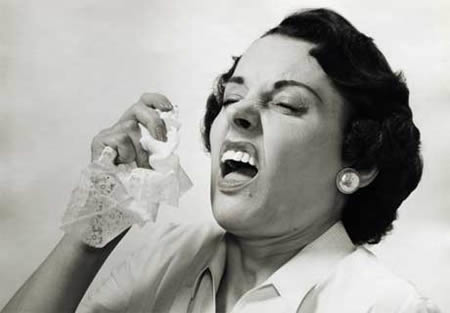
Cover your nose and mouth with a tissue when you cough or sneeze. No tissue? Aim your cough/sneeze into the bend of your arm.
Wash your hands often with soap and warm water for at least 20 seconds.
Avoid touching your eyes, nose and mouth. This, my friends, is how germs are spread.
Those are the basics, but what about everyone else? How can you help others do the same? Try these actions:
Encourage great hygiene among your family members and coworkers.
Put up posters addressing prevention: how to stop germs from spreading, how to recognize cold/flu symptoms, etc.
Identify local resources for flu shots and make this information available to coworkers.
Stock up on hand sanitizer/anti-bacterial wipes and make these available to others.
Wipe down all flat surfaces: keyboards, mouse, phone and common areas daily.
Use hand sanitizer after shaking hands with others.
Contact your office janitorial service to see if they offer any special treatment or processes to prevent the spread of cold/flu germs.
Bring an adult. Trick-or-treating may for kids, but that doesn't mean they're old enough to do it alone.
Eat! Having a well-balanced dinner before trick-or-treating helps prevent filling up on candy (and feeling ill).
Safety is in numbers. If your kids are, in fact, old enough to go it without an adult, then tell them to stay in a group.
Map it out. Designate a route before your kids begin trick-or-treating, and make sure they stick to it.
No Shortcuts. Instead of taking short-cuts through secluded areas like parking lots and alleys, have your kids trick-or-treat where there are lots of people around.
Trick-or-treating Zones. Ensure your kids only visit houses with lights on and Halloween decorations (or other trick-or-treaters).
Stay outside. Make sure your kids don’t go inside someone’s house. They can get their candy from the porch.
Remain visible. Dress your kids in a bright costume so others can see them. If their costume is dark, have your kids wear reflective strips or carry a glow stick or flashlight. Everybody loves glow sticks!
Shorter = safer. Long costumes are easy to trip over, so try to stick to shorter costumes. If not, then be sure to hem the costume.
Don't cover the face. Instead of masks, have your kids wear make-up so they can see better.
Prepare your costume. Other costume considerations include: flame retardant costumes (nylon and polyester are fairly flame-resistant), hypo-allergenic makeup, comfortable shoes, and fake weapons that truly are harmless.
Quality-check treats. Check your kids’ candy before they eat it. Throw out any candy that is not in its original wrapper or looks like it has been tampered with.
Say "no" to strangers. Tell your kids to never accept a ride or go anywhere with a stranger. Similarly, do not approach unfamiliar pets or animals.
Watch your step. Be careful to look out for tree roots and curbs, and by all means, do not trample on someone's flower beds.
Set a curfew. This prevents mucho worrying.
Call me. Bring a cell phone for easy communication, or some change to use a pay phone.
What do you say? Thank you. And don't forget it at each house you go to!
Party on, dude. Consider throwing a Halloween party instead of trick-or-treating. This eliminates many of the common dangers of Halloween.
Obey the law. Encourage your kids to follow all the regular rules for walking around. That includes looking both ways before crossing, obeying all traffic laws and using cross walks and crossing lights where available.
Yard work does not end simply because summer is over. There’s plenty more to do as the seasons are changing. Here are some safety tips for tackling autumn tasks around your home.
When lifting heavy bags of mulch, use a wheelbarrow when possible. Remember to lift with your legs and not with your back.
Be careful when pruning. Pruning from a ladder is especially dangerous, so avoid injuries by pruning on a secure foundation relatively low to the ground.
To avoid blisters when doing yard work, wear gloves. Easy fix!
If you are doing a lot of raking, try an ergonomic rake, which alleviates stress on your lower back by allowing you to rake in an upright position. These can be found at most hardware stores and garden centers.
While perusing one of my favorite cooking blogs, The Kitchn, I found an oh-so-appropriate article about how to cook in a hurricane! Very exciting day when food blogging and homeowner safety blogging merge. So without further ado, check out The Kitchn's 5 tips to cooking when anticipating (or experiencing) a hurricane:
Know your food safety facts! Have a thermometer in your fridge and freezer so you can make sure the freezer stays at 0°F or below and the refrigerator stays at 40°F or below. If your power goes out, the freezer will be OK for about 24 to 48 hours, provided that it is packed full and you don't open the door. The fridge, on the other hand, will only keep things safe for about four hours. Click here for more food safety tips courtesy of the USDA.
Stock up on ice and dry ice. If your power goes out, if your fridge and freezer are stocked with ice or dry ice, this will prolong the life of the food inside. (Again, make sure you have a thermometer to check! Don't ever check food's safety by tasting it.)
Light your kitchen. Make sure your kitchen is well-supplied with light, whether that's candles, flashlights, a battery-operated floodlight, or something else. It's hard to be safe in the kitchen if you can't see when cutting bread or cooking an egg on your gas stovetop. Make sure there are light sources in the kitchen (don't count on any sunlight).
Make food ahead of time that doesn't need to be refrigerated. Some ideas: Muffins and quick breads for breakfast. Chana masala and other bean stews for lunches and dinners. Also stock up on cured meats, hard cheeses, good bread, beer, wine, olives, pickles, fruit, tomatoes, and crunchy vegetables for snacks.
Gather together with others. A long hurricane can be a crashing bore. After you've watched the newscasters get knocked over a few times by the wind, you're left with nothing but a slow, seemingly interminable wait for the storm to pass. Then the power goes out, and the internet, and you can't even amuse yourself with technology. It's time for old-fashioned get togethers. Some of my most memorable hurricane moments involve gathering with friends by candlelight, making the most of the long hours with card games, homemade food and old-fashioned fun. Batten down the hatches with a few friends and amuse yourselves. It's actually a good time to do a big cooking project, too, especially if you have a gas stove (not electric) and can bake bread or make tamales. Think about making a huge batch of homemade pasta, to be frozen after the storm, for instance, or tomato sauce.
It's that time again, and the kids aren't the only ones with homework. Parents, it's your turn. Don't let autumn safety "fall" to the side. Instead, talk to your children about how they can be healthy and safe this school year.
Walk and ride to school safely by remaining aware. Obey traffic signals and lights, walk only on crosswalks, and listen to traffic guards (that means no headphones).
If your children bike to school, make sure they wear a helmet. My recommendation: reward safety with an awesome helmet.
If possible, walk with your child to and from the bus stop.
Keep backpacks light! Your kid's backpack should only be 5-10% of his or her body weight, according to the American Chiropractic Association. A backpack with wheels is easy to use and most importantly reduces back stress. If your child chooses to use a backpack, utilize both straps. Wearing your pack on one shoulder can cause spinal curvature.
The best way to handle an emergency is to be ready before it happens. In no way does this require a worrisome worst-case-scenario mindset, but simply a few steps of preparation.
In the case of a serious emergency, you may be in a situation requiring you to survive on your own. It may be a few hours or even days until help arrives. This is why it is imperative to keep an emergency kit on hand in case of such an emergency. Here are some suggestions for what to keep in your kit:
Water – You want enough for three days. Be sure to allow a gallon per person per day.
Food – At least a three-day supply of nonperishable food.
Battery-powered or hand crank radio and a NOAA Weather Radio with tone alert – Be sure to have extra batteries for both.
Flashlight and extra batteries
First aid kit
Whistle – This is valuable for signaling for help.
Dust mask – This helps filter contaminated air.
Moist toilettes, garbage bags and plastic ties for personal sanitation.
Wrench and pliers to turn off utilities.
Can opener – This is only necessary if you have canned food in your food supply.
Local maps
Cell phone with chargers, inverter or solar charger
Waterproof matches
*Photo courtesy of http://www.presentationmagazine.com/newimages/be-prepared-510.jpg
In all of yesterday's allergy talk we touched briefly on the topic of mold. Excessive amounts of mold and certain types of mold may present health concerns. Water damages in particular can cause mold growth in your home or business, therefore it is important to have your water damages cleaned promptly and professionally. It's a do-it-yourself age, my friends, but some things are more important to have done right.
So check your home for the following signs of the presence of excessive mold:
The presence of visible mold (shocker, I know).
Strong, musty odors (yeah, that's not just the way your house smells).
Any evidence of past moisture problems that might have caused undetected mold growth (spotting on the ceiling, anyone?).
Excessive humidity (hellllllo South Carolina).
If you think you might have a mold problem, call your local SERVPRO (for us in Cayce/West Columbia and Lexington that's 803-755-9774) or dial 1-800-SERVPRO.
In most water damage situations mold growth is not a problem, and we can safely restore your home or business to preloss condition. The need to address the presence of mold can only be determined by an on-site, indoor environmental inspection.
In some situations an indoor air quality professional will be required to create a restoration plan for your home. SERVPRO is experienced at carrying out the assigned plan and working to make it, well, "Like it never even happened."
As I walked outside yesterday I felt the pounding in my temples, the pressure in my cheeks, that feeling in my nose and the itchy, itchy eyes... "It can't be! It's only August!" If your allergies are like mine, you might have had the same conversation with yourself recently.
Each year as the flower pollen finally leaves, another pollen hits the stage: ragweed. And guess what month this yellow flowering weed begins pollinating... yep, August. Even if this little guy isn't growing where you live, its pollen can travel hundreds of miles on the wind.
Another allergy culprit is mold. With easily airborne spores, it thrives in damp places, inside or out. So whether it's those damp leaves in the yard or the puddles collecting in your basements and bathrooms (ahem, 803-755-9774), your allergies might be mold-related.
Let's not forget dust while we're on the subject of common allergen. Dust particles are extremely prevalent during humid summer months, but when you turn your furnace on for the first time they make a reappearance.
If you've got allergies, you know the drill: runny nose, watery eyes, sneezing (I've heard two different coworkers sneeze since I began writing this article), coughing, itchy eyes and nose, and those dark circles under the eyes. (WebMD has a one-minute video on distinguishing between colds and allergies if you're unsure.) Particularly for those who suffer from asthma, allergies can be far more than a slight annoyance. There are many medications that can help relieve the symptoms, but there's also a lot you can be doing. Consider easing fall allergies in the following ways:
Stay indoors with windows and doors shut while pollen is at its peak (10 am - 3 pm) to avoid being exposed to your allergy triggers. Keep track of the pollen count in your area by visiting the American Academy of Allergy, Asthma, and Immunology website.
Before you turn on your furnace for the first time of the season, have your heating ducts cleaned (remember to get those ducts in a row). Particles of mold and other allergens often get trapped in the vents over the summer and will soon be released when you crank the heat.
Use a high efficiency particulate air (HEPA) filter in your heating system to get rid of pollen, mold, and other particles in the air.
Use a humidifier to keep your air between 35 and 50% humidity.
Wear a mask while raking leaves to avoid inhaling mold spores. Masks are valuable while doing any activities that you know aggravate your allergies (mowing the grass, cleaning the house, etc.)
Bathe your pets. Seriously, if you have pets that visit both the indoors and outdoors, they are pollen carriers too. Try washing them once a week (or even more often) to remove the pollen from their fur.
Purchase a neti pot. This is a small container filled with warm salt water used to flush nasal passages, which can temporarily relieve allergy symptoms.
Clean with dust-trapping cloths. Using a feather duster is cute, but you're just moving dust and pollen around. Instead try an electrostatic dust cloth, which traps dust and some allergens in the cloth. If your allergies are so bad that cleaning seems an impossible task, maybe it's time to hire a professional (hint hint).
And my personal favorite, drink peppermint tea. If the deliciousness of this hot beverage isn't enough to inspire you to get drinking (I'm sure you've got a steaming cup right now, what am I saying?), then how about the essential oil that acts as a decongestant? Substances in peppermint contain anti-inflammatory and mild antibacterial properties as well. Added benefit of drinking it hot: the steam provides relief from clogged noses.
To be overly simple, my job is to write about safety. To be honest, I generally think of myself as someone who balances safety and fun quite well. We've all heard the statistics on cell phones and driving (if you haven't, I'll refresh you soon). Forget statistics, we've driven a lane over from them or been stuck behind them as they, heads down, don't budge at the green light. Or perhaps we've been that person (confession: guilty, very). According to Nationwide, driving while distracted is a factor in 25% of police reported crashes. Driving while using a cell phone reduces the amount of brain activity associated with driving by 37% (Carnegie Mellon). Had I heard these particularly stats before yesterday I would have thought, "yeah, people (other people) really shouldn't drive distracted," aka. they can't handle it but I can. If you're honest with yourself, you might relate to this mindset.
Last night I was driving home: music off and cell phone in hand (but not in use by any means). I dropped my phone and reached my free hand to grab it. I don't even remember taking my eyes off the road, but the next thing I know I'm airborne only to come crashing to the ground in a deep ditch, taking out a sign and leaving a trail of car parts behind me. As my car finally comes to stop, I find myself shaking violently. That happened so easily! was all I could think. It didn't feel risky and I didn't think I was distracted. And that's how it goes, folks. This was my first car accident.
According to Distraction.gov, there are three types of distraction: visual (taking your eyes off the road), manual (taking your hands off the wheel) and cognitive (taking your mind off what you are doing). Distracted driving is any non-driving activity that has the potential to distract him or her from the primary task of driving and increase the risk of crashing. Texting is the triple threat, as it involves all three.
Other distracting activities include:
Using a cell phone
Eating and drinking
Talking to passengers
Grooming
Reading, including maps
Using a PDA or navigation system
Watching a video
Changing the radio station, CD, or Mp3 player.
I was truly fortunate that the ditch wasn't deeper to flip my car, that no one was walking on the side of the road for me to hit, that a car wasn't driving by when I overcorrected... had one detail been different last night my life or someone else's could have been changed forever.
20 percent of injury crashes in 2009 involved reports of distracted driving (NHTSA), but drivers who use hand-held devices are four times as likely to get into crashes serious enough to injure themselves (Source: Insurance Institute for Highway Safety).
Day after day I tell you safety tips, what to do in emergency situations, ways SERVPRO can help, etc. It's not that I want to be a downer by bringing up worst case scenarios and I certainly don't want you to view your home as a danger zone; rather, my intention is to get you to consider small preparations you can make to avoid infinitely more regret.
That being said, today take a brief moment to look at some items in your house that could be extremely dangerous if misused. According to the American Association of Poison Control Centers, 93% of possible poisonings take place at home. It’s unavoidable having poisonous household products, but buying them only in small quantities, discarding unused extras, and keeping them out of the reach of children are helpful ways to make your home safer.
Knowing what is dangerous is half of the battle, so that you can be extra cautious with such products. Ten of the most dangerous household items are as follows:
Antifreeze
Bleach
Drain cleaner
Furniture polish
Gasoline
Insecticide
Iron-containing vitamins
Medicine
Nail polish remover
Windshield wiper fluid
Again, be sure to keep these items in small quantities and to dispose of unneeded products. And always keep them out of the reach of children!
Here at SERVPRO we talk about protecting your home frequently. Our hope is that we can help you prevent most disasters and recover quickly from those that you can't anticipate. We want where you live to be safe and healthy, but what about the home you can't replace? Taking care of your body is even more important than homeowner tips, and that starts with your skin.
Skin cancer is the most common form of cancer in the US. More than 3.5 million skin cancers in over 2 million people are diagnosed annually.
One in five Americans will develop skin cancer in the course of a lifetime.
Over the past 31 years, more people have had skin cancer than all other cancers combined.
Skin cancer isn't reserved for the tanning bed regulars or the fair skinned. That being said, I just wanted to pass along some information from the Skin Cancer Foundation on how you can protect your skin in the midst of all these summer activities (and even in the off-season).
Use a sunscreen of SPF 15 or higher whenever you spend time outdoors.
This applies to all outdoor activities: athletics, shopping, picnicking, walking or jogging, gardening, even waiting for a bus.
Use a broad spectrum (UVA/UVB) sunscreen with an SPF of 15 or higher every day. For extended outdoor activity, use a water-resistant broad spectrum (UVA/UVB) sunscreen with an SPF of 30 or higher.
Apply liberally and evenly to all exposed skin. The average adult in a bathing suit should use approximately one ounce of sunscreen per application. Not using enough will effectively reduce the product's SPF and the protection you get.
Be sure to cover often-missed spots: lips, ears, around eyes, neck, scalp if hair is thinning, hands, and feet.
Reapply at least every 2 hours, more often if some of the product may have been removed while swimming, sweating, or towel-drying.
Choose a product that suits your skin and your activity. Sunscreens are available in lotion, gel, spray, cream, and stick forms. Some are labeled as water resistant, sweatproof, or especially for sports; as fragrance-free, hypoallergenic, or especially for sensitive skin or children.
Cover up.
Wear long-sleeved shirts and long pants. Tightly woven fabrics and dark colors, such as deep blue and black, or bright colors, such as orange and red, offer more protection. If you can see light through a fabric, UV rays can get through too. Water makes fabrics more translucent, so do not rely on a wet T-shirt.
A broad-brimmed hat goes a long way toward preventing skin cancer in often-exposed areas like the neck, ears, scalp, and face. Opt for a 3-4 inch brim that extends all around the hat. Baseball caps and visors shade the face but leave neck, lower face, and ears exposed.
UV-blocking sunglasses with wraparound or large frames protect your eyelids and the sensitive skin around your eyes, common sites for skin cancer and sun-induced aging. Sunglasses also help reduce the risk of cataracts later in life.
Seek the shade.
Be aware, however, that sunlight bouncing off reflective surfaces can reach you even beneath an umbrella or a tree. Never seek a tan.
There is no such thing as a healthy tan. A tan is the skin's response to the sun's damaging rays.
Stay away from tanning parlors and artificial tanning devices.
The UV radiation emitted by indoor tanning lamps is many times more intense than natural sunlight. Dangers include burns, premature aging of the skin, and the increased risk of skin cancer.
Protect your children and teach them sun safety at an early age.
Healthy habits are best learned young. Because skin damage occurs with each unprotected exposure and accumulates over the course of a lifetime, sun safety for children should be a priority.
*Don’t forget to fill out the poll on our home page about how you heard about SERVPRO. We’d love to hear from you!
You’ve heard the ice cream trucks; you’ve felt the heat; you’ve gobbled the barbeque. There is no denying summer is here and in full swing. This means that it is time for swimming! In the spirit of summer fun, many people choose to ignore safety precautions. Don’t let your summer plans be ruined by carelessness. A little safety goes a long way.
Stay Close and Alert
It’s simple: stay nearby and keep your eyes open. Children should never be left unattended (even for a short period of time) in a pool or spa. If children are in or near the water, they should be actively watched. It’s also valuable to teach your children basic water safety tips; make it fun by turning it into a game of learning. Keep children away from all possible entrapments, such as pipes and drains. Always have a telephone within reach while at the pool. If a child goes missing, look for him or her in the pool or spa first. Be sure to share your safety instructions with family, friends, and neighbors.
Water Safety Skills
If you are going to have or visit a pool, then it is crucial that you learn how to swim as well as teach your child how to swim. Learning how to perform CPR is also very useful. Keep these skills up to date. Be sure to understand the basics of life-saving skills so as to be able to perform or assist in a rescue as needed.
Appropriate Equipment
Install a fence around your pool and spa that is at least four feet tall. It is best if the fence is self-closing and self-latching. Ask your neighbors to take the same precautions on their pool areas. Put a lockable safety cover on your spa. If your house is the fourth side of the fence around your pool, install and use door alarms on the doors leading outside. Particularly if you have young children, it is smart to install gate and pool alarms that alert you when someone enters the water. Make sure your pool and spa have working drain covers. Keep your pool and spa covers in good condition. Lastly, consider a surface wave or underwater alarm.


 Prepare your costume. Other costume considerations include: flame retardant costumes (nylon and polyester are fairly flame-resistant), hypo-allergenic makeup, comfortable shoes, and fake weapons that truly are harmless.